Moroccan Architecture - Kasbahs & Ksours, Medinas and Mellahs
Moroccan Architecture - Kasbahs & Ksours, Medinas and Mellahs
6 JANUARY 2014 09:59
Morocco has a rich architectural history and one of the great pleasures of a holiday in Morocco is staying in or visiting an historical building.
Morocco has a huge range of such properties including riads & dars, kasbahs & ksars, agadirs and foudouks – these short articles are written to help understand the differences between these.
We start with kasbahs and ksars, and medinas and mellahs in this article.
Kasbah
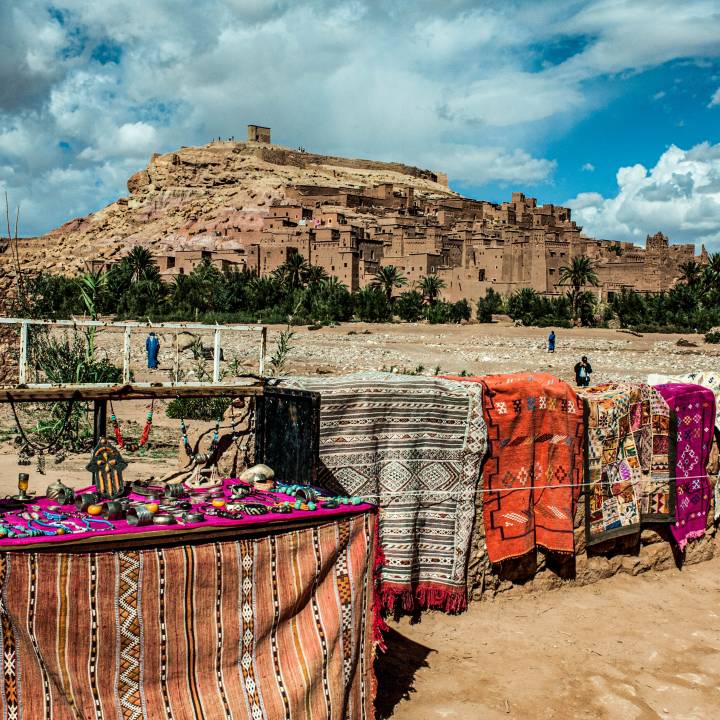
A kasbah is a fortress building or a fortified part of a city, historically the home of regional rulers providing security from attack. Built with high walls and few exterior windows and often on hilltops to provide greater security, kasbahs house one or more buildings. Classic examples of kasbahs within medina are found in Rabat and Tangier..
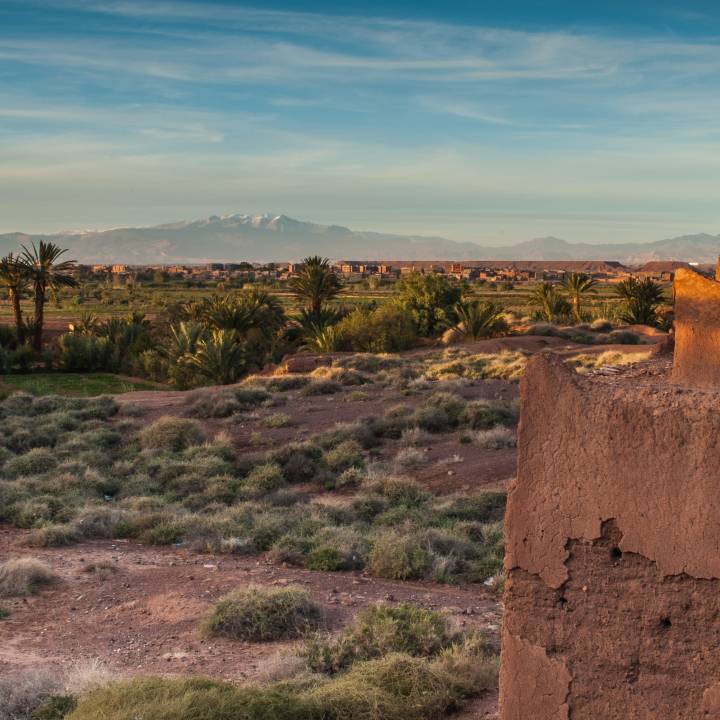
Kasbahs are found in many places across Morocco and date back several centuries – some having undergone significant repair but some now rather dilapidated – with a fascinating selection easily accessible in and around the High Atlas mountains (see our sample itinerary kingdom-of-kasbahs ).
Kasbahs are excellent places to explore and a number can be stayed in (type “Kasbah” into our search function to find these).
Ksar (or ksour)
A ksar is a Berber palace (or very large house), fort or castle (the term means "castle" in Arabic, although the European view of a typical castle may be misleading).
The distinction between kasbah and ksar is marginal, both fortified structures containing one or more buildings, although ksars tend to be less grand than kasbahs. Good examples of ksars are the Batha Museum in Fez (the sultan's palace in the late-19th century) and the Glaoui Palace in Ziat.
A number of ksars can be stayed in (type “ksar” into our search function to find these).
Medina
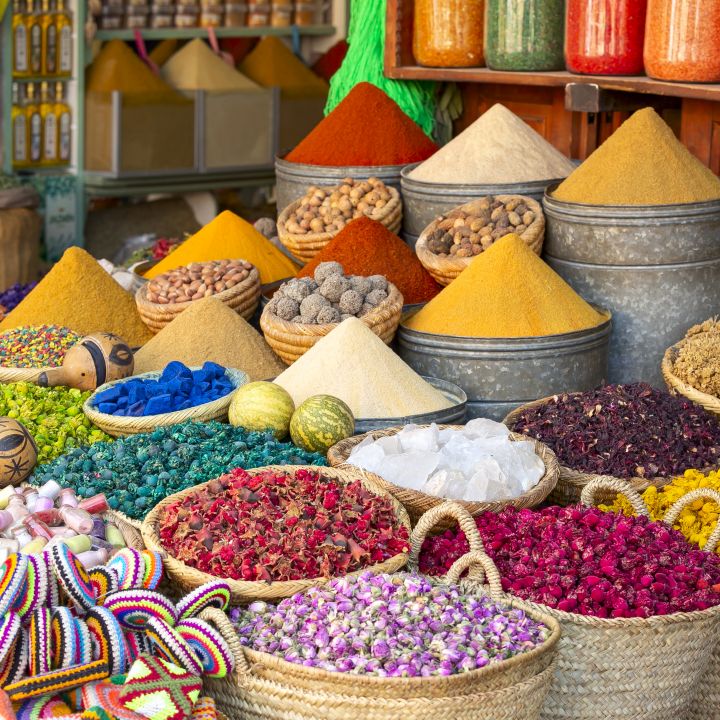
A medina is the historical walled city or town, which was the centre of everyday life and still is in many places in modern Morocco. Medinas offered a protected area (high medina walls and narrow winding streets) within which people traded (in the souks), lived (often in riads or dars, with local hammams and bakeries for each district) and prayed.
As the mode of transport generally consisted of donkeys and occasional carts and space was valuable, they evolved with narrow streets, limiting modern access – motorbikes and bicycles are common now but cars and taxis are very limited.
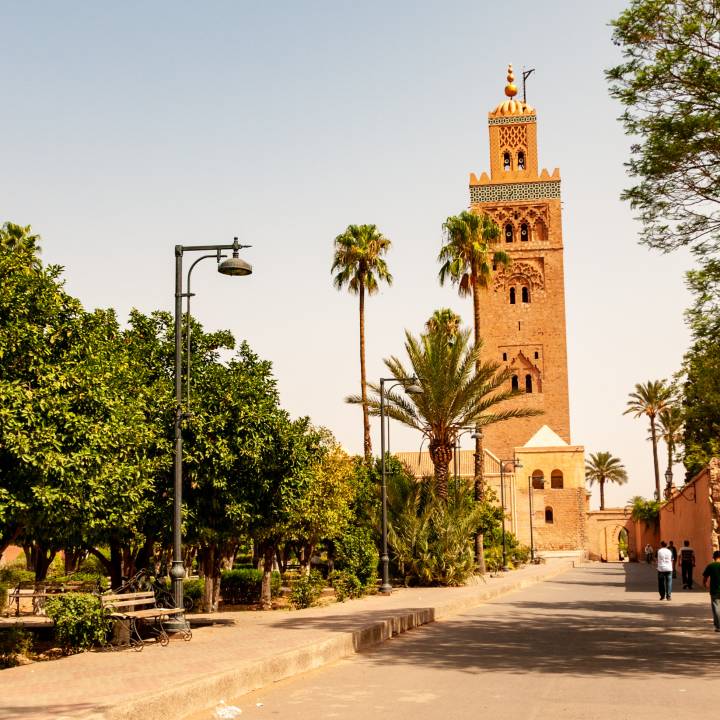
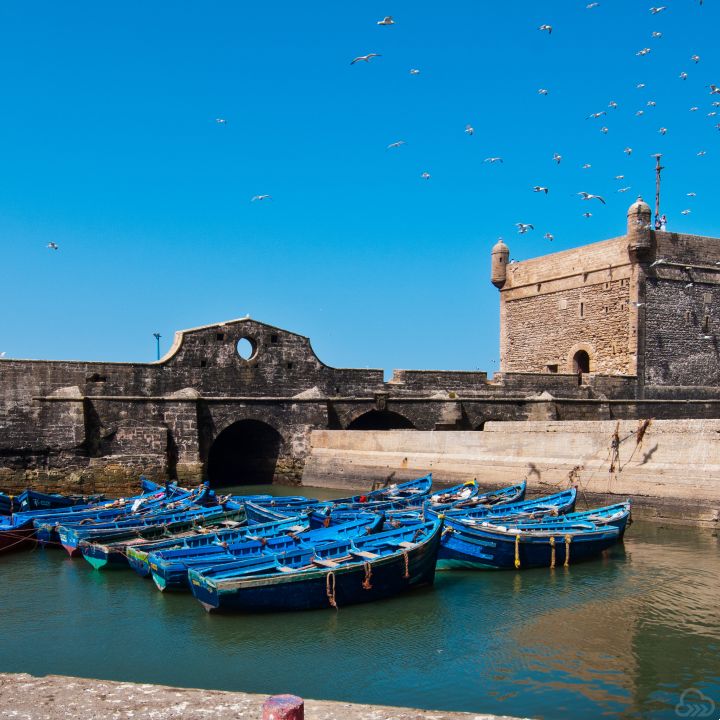
The medina of Fez is most notable for how it appears to have been changed since mediaeval times, but all Moroccan medinas still buzz with life and are a pleasure to spend time in - for example Marrakech Medina, Rabat Medina, Essaouira Medina and Taroudant Medina.
Mellah
A mellah is the Jewish quarter of a Moroccan city or town, which developed in or near many Moroccan medinas from the 15th century as a protected area (the mellah was normally walled) in case of Arab attack.
Recent posts
Share...




Call (+44) 01239 710814 or Email and let's discuss your perfect holiday today....
100% Tailor-made
- Your entire holiday is designed around your requirements
- Explore your interests at you own speed
- Select your prefered style of accommodation
- Create the perfect trip with the help of our specialists
Fully Protected
- All flight-inclusive trips are ATOL protected (6228)
- 24/7 emergency UK contact number while abroad
- Established for over 25 years
Expert Knowledge
- All our specialists have travelled extensively or lived in their specilaist regions
- You will have the same specialist throughout the planning process
- Make the most of your time and budget